
Human Vanity and Ostentation Portrayed in Art of Sarah
Warning: This post contains plot details and the ending of the Netflix original series Art of Sarah (The Art of Sarah / Lady Doir).

[Art of Sarah | Image credit: Netflix]
[Art of Sarah | Image credit: Netflix]
I recently watched the Netflix original series Art of Sarah with great intrigue.
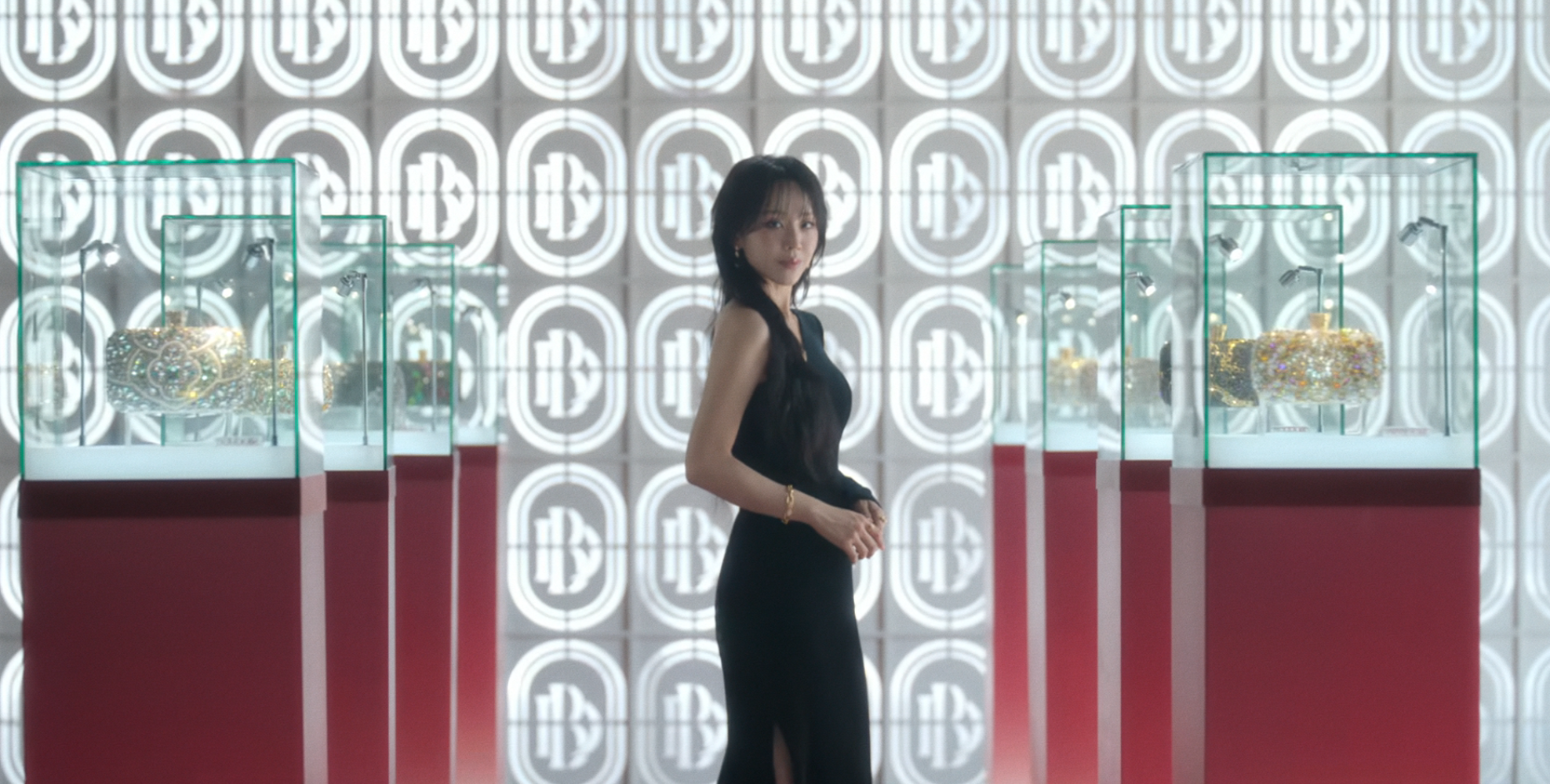
The protagonist, Sarah Kim, is an undocumented individual with no legal identity. She moves through life by adopting four distinct personas: starting as Mok Ga-hee, then transitioning to Dooah, Sarah Kim, and eventually Kim Min-jeong. The series does not explicitly explain how Sarah Kim ended up without a legal identity in the first place. Instead, it presents—in an unvarnished, raw, and gripping manner—how she manipulated people’s psyches, acquired a lavish lifestyle akin to a high-powered entrepreneur, and how her boundless ambition ultimately triggered a catastrophic downfall.
This post examines the dark underbelly of Korean society targeted by the series: the painful voids concealed behind the luxury goods and high-end lifestyles so many chase, as well as the distorted vanity of the wealthy elite who constantly stratify social status simply for display.
Today's K Drama TMI explores the vulnerabilities of South Korea’s "Republic of Luxury."
The Infamous Vincent & Co. Fraud
The character of Sarah Kim and her handbag brand, Boudoir—which she cherished more than herself—closely mirror the notorious 2006 "Vincent & Co." scandal that shook Korean society. In that case, counterfeit watches mimicking luxury designs, with production costs of only a few tens of thousands of won, were deceptively marketed as "100-year-old Swiss royal heirlooms," gaining massive traction among top celebrities and the ultra-wealthy.
While the retail prices of Vincent & Co. watches ranged from millions to as high as 100 million won, their actual manufacturing cost was merely 100,000 to 200,000 won. By offering free sponsorships and gifts to prominent stars and chaebol families, the orchestrators generated massive viral buzz, leading top-tier actors and prominent high-society figures to purchase them or become entangled in promotional campaigns. In the aftermath, intense criticism emerged regarding reckless corporate sponsorships in the entertainment industry, sounding an alarm against Korean society's blind obsession with luxury labels.
From Outskirts Workshop to British Artisan Masterpiece
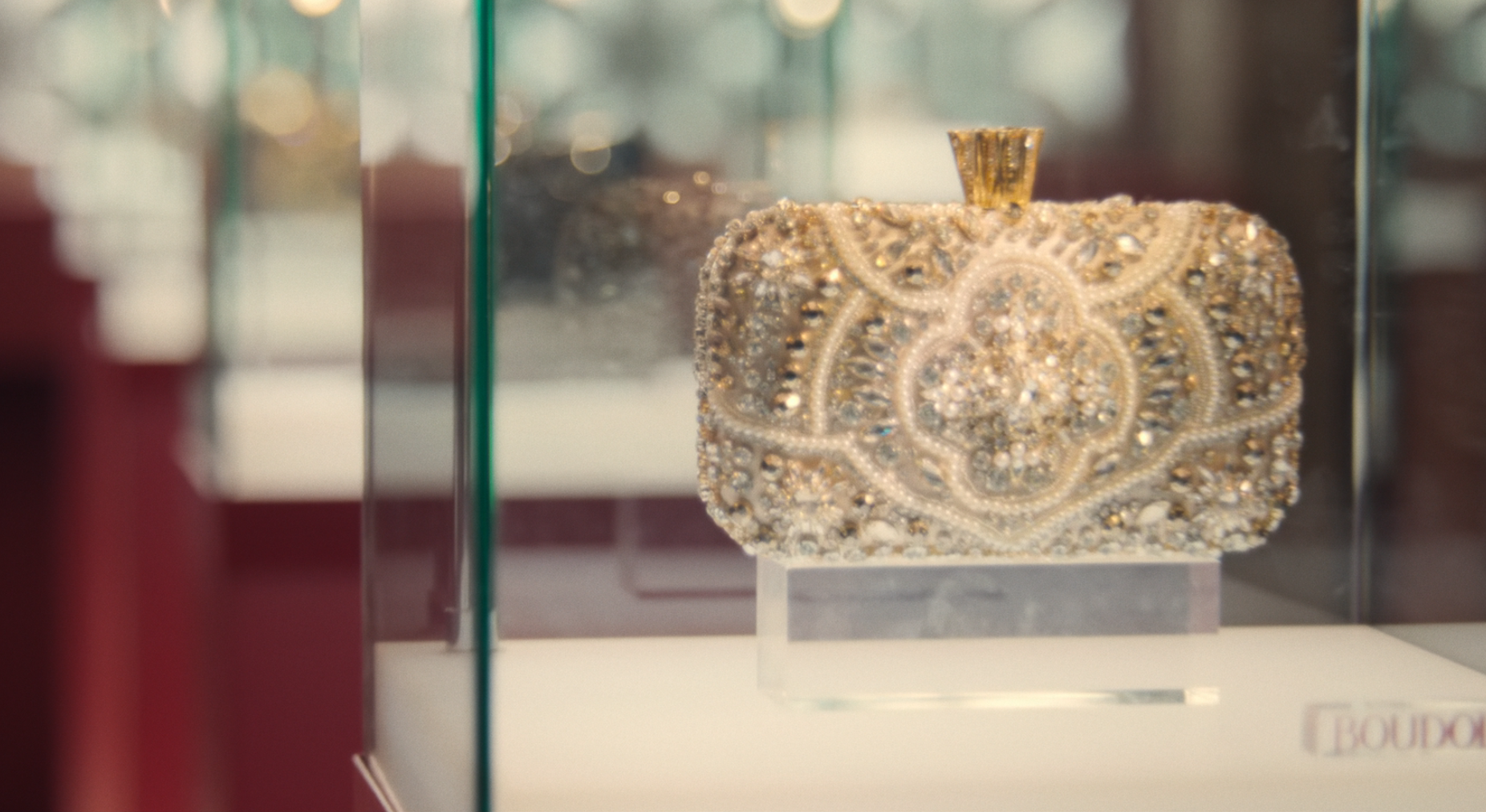
In the drama, the protagonist manufactures handbags through the labor of undocumented immigrants in workshops on the outskirts of Seoul, finishes only the final production step in the United Kingdom, and re-imports them. She then packages the label as "Boudoir," an ultra-exclusive brand purportedly handcrafted by British artisans for the royal family and reserved strictly for the top 0.1%.
By leveraging strict scarcity—refusing to sell to just anyone—as a core marketing weapon, word-of-mouth spread rapidly, drawing intense demand from influential figures across politics and business. This storyline directly exposes the illusions of modern luxury marketing and the insular ostentation of the upper class. It lays bare the luxury bubble driven by the vanity of the wealthy, who sought to distinguish their status not merely through universally recognized labels like Chanel or Hermès, but by acquiring ultra-niche brands known only to an exclusive few.
[Art of Sarah | Image credit: Netflix]
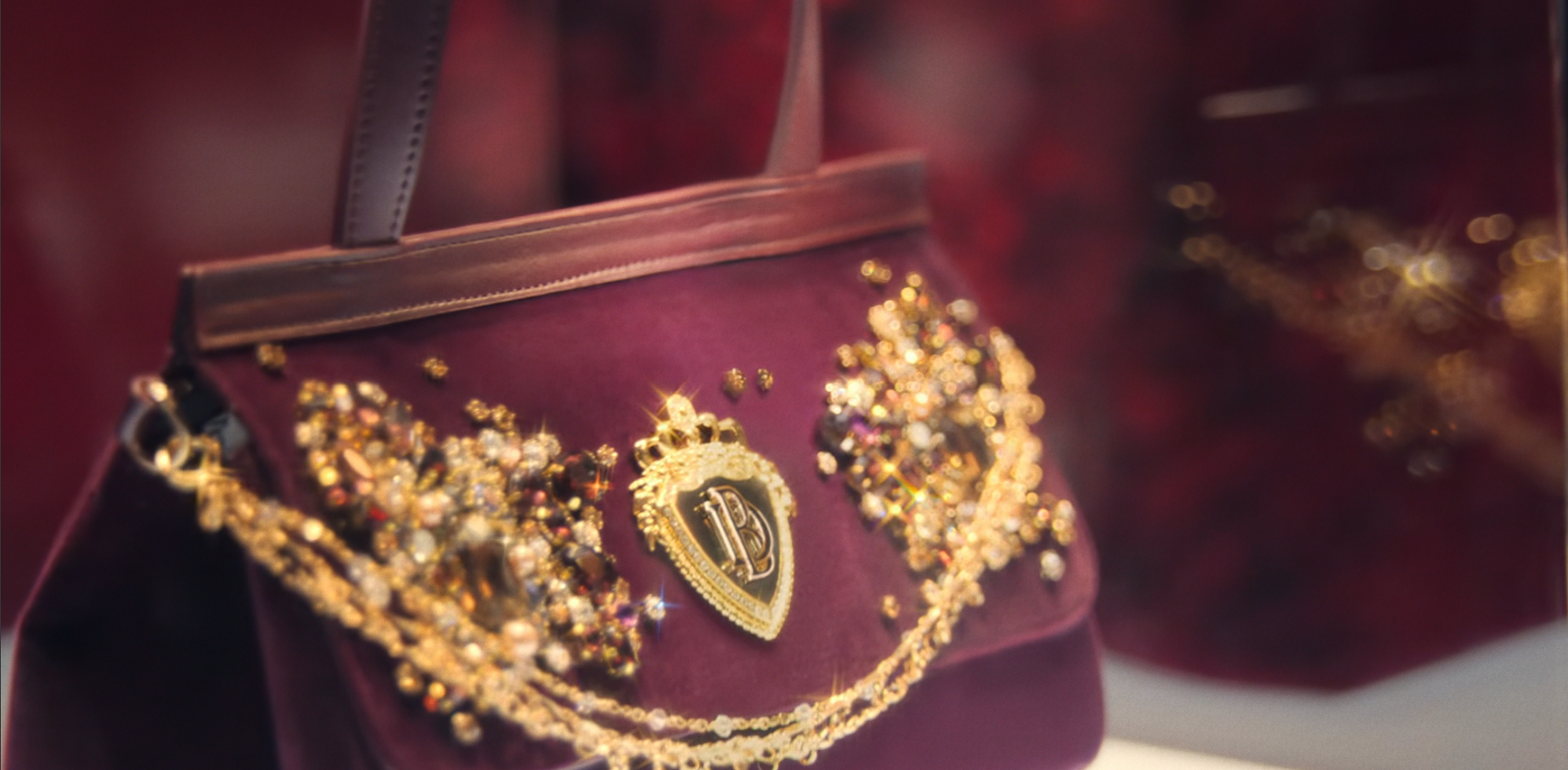
Photo Caption: Cobbled together from the designs of famous labels and crafted by the hands of undocumented immigrants, the bags were transformed overnight into an ultra-luxury brand catering to European royalty and the top 0.1%.
[Art of Sarah | Image credit: Netflix]
Why the Obsession with Luxury Goods?
In any society, whether in Korea or the United States, there are social strata driven to consume and flaunt luxury goods. However, this phenomenon takes on a more distorted dimension in Korean society due to a cultural atmosphere that places an excessive emphasis on social hierarchy.
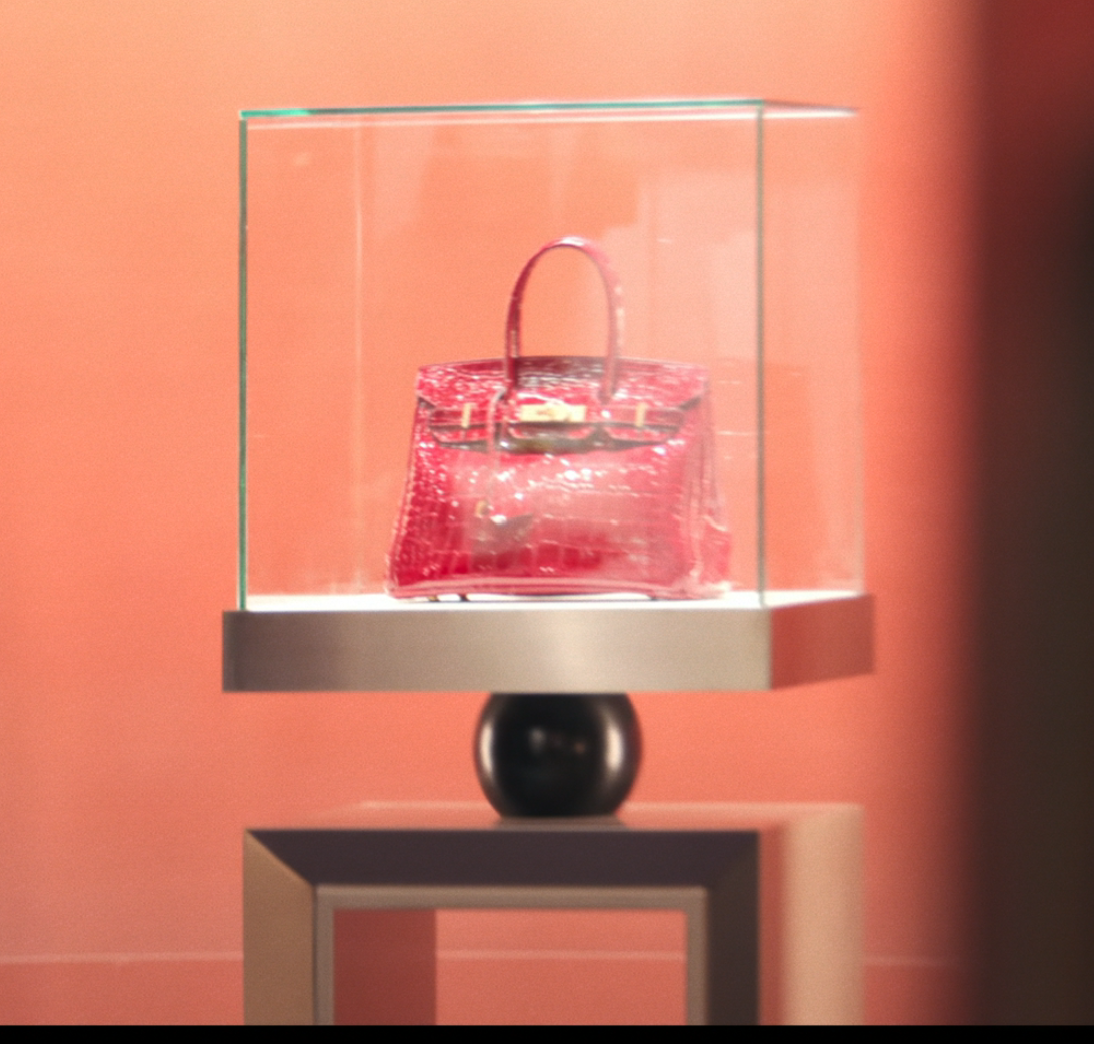
In Art of Sarah, an Hermès Birkin bag appears in the very first scene. This highlights the Birkin’s unrivaled standing at the absolute apex of luxury fashion. In the plot, this bag serves as the sole piece of evidence discovered at the murder scene and acts as a pivotal link connecting the characters.
In the Korean community, the symbolic weight of a Birkin bag needs little explanation: it serves as an unmistakable declaration that "I have made it." Regardless of personal wealth, one cannot simply walk in and purchase one off the shelf; access requires systematically building a purchase history to attain VIP status. Even then, clients cannot freely choose their preferred color or leather finish; reality dictates accepting whatever the sales associate offers with gratitude.
This reversal of dynamics—where the associate selects the customer rather than the customer choosing the brand—is the discreet strategy through which Hermès, and Bou Doir in the drama, preserve their unassailable premium cachet.
[Art of Sarah | Image credit: Netflix]
Luxury Resellers and the "Open Run" Phenomenon
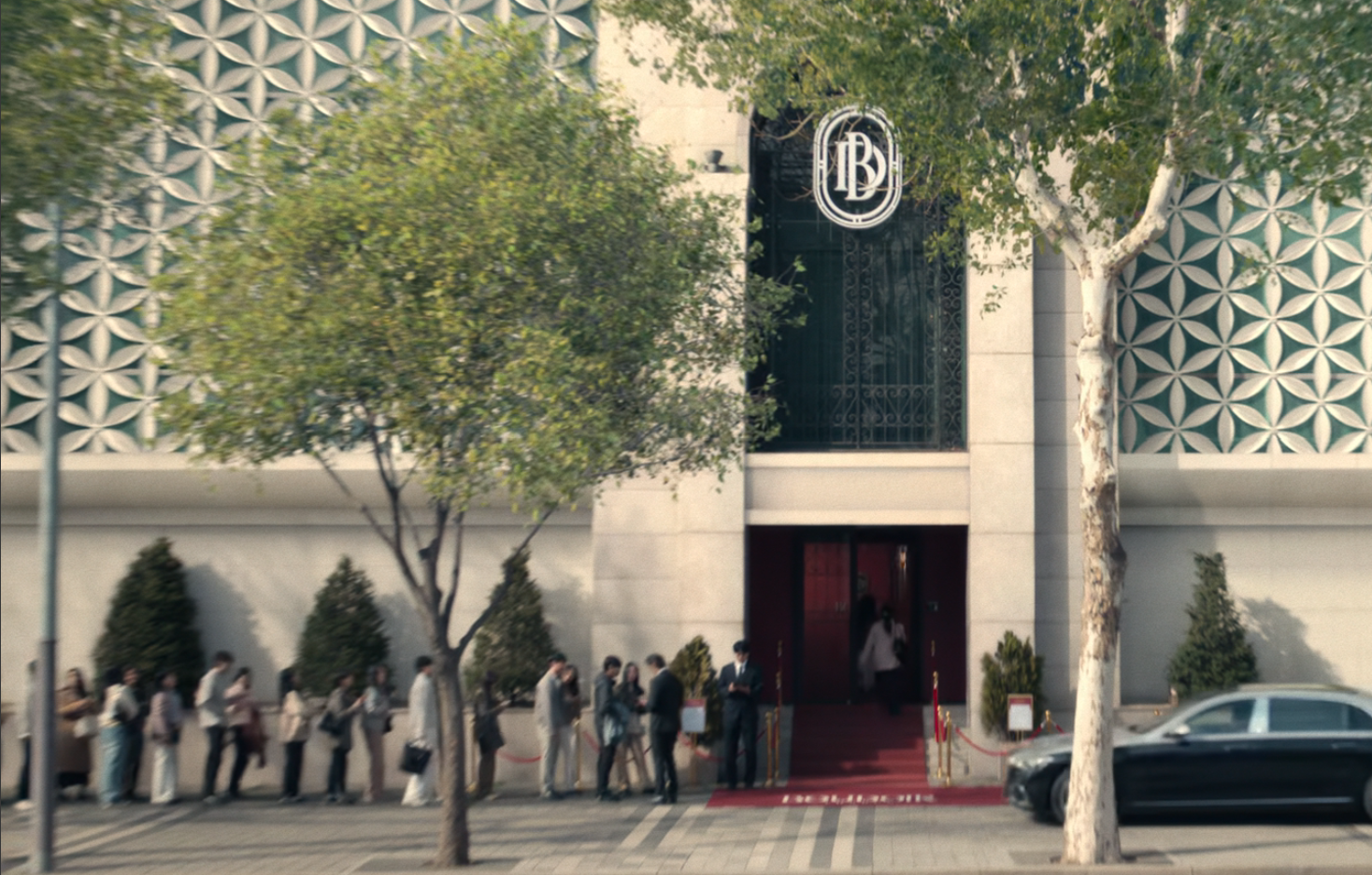
Because these bags are so difficult to acquire, professional resellers capitalizing on massive secondary-market markups emerged organically. The drama vividly portrays the reality of luxury camp-outs, with resellers pitching tents in the freezing winter cold overnight outside department stores waiting for opening hours.
Following the pandemic, a striking dynamic took root at Korean luxury boutiques. Strict capacity caps led to persistent queues, with flagship boutiques like Chanel and Hermès requiring waits of two to three hours just to step inside.
While the "open run" frenzy has cooled somewhat as Gen Z luxury spending has stabilized, ultra-high-end brands like Hermès maintain high barriers to entry for standard shoppers. A line delivered by Woo Hyo-eun, who leads the reseller group in the show, captures this dynamic:
"Chanel is the cheapest today!"
Because luxury houses continually raise prices without dampening demand, resellers endure freezing overnight lines to sweep up high-demand inventory and flip it for exorbitant premiums—a bitter cycle that repeats continually.
[Art of Sarah | Image credit: Netflix]

[Art of Sarah | Image credit: Netflix]
Better to Burn Than Discount?
In the series, Sarah Kim incinerates all unsold Boudoir inventory. This scene directly critiques a long-standing practice within the luxury sector: destroying surplus stock. Luxury brands treat exclusivity as paramount. Operating on the view that surplus items ending up in discount outlets or on sale compromises brand equity, companies have routinely destroyed pristine, high-value finished goods without hesitation.

[Art of Sarah | Image credit: Netflix]
However, under the European Union’s Ecodesign for Sustainable Products Regulation established in 2024, the destruction and landfilling of unsold apparel, footwear, and accessories became strictly prohibited starting July 19 of 2026. No longer permitted to discard stock at will, luxury fashion houses are rapidly shifting their business models toward made-to-order systems and strictly controlled, small-batch manufacturing.
Seeing how preference for luxury goods is declining and concern for environmental pollution is growing among the inherently pragmatic Gen Z, it seems that excessive ostentation and superficial show-off culture will gradually fade away. On the other hand, as the upper class increasingly demands rarity and exclusive products, the polarization will likely widen. I think this drama also captured those social trends and issues quite well.
Did you enjoy the read? What are your thoughts on luxury goods? Let me know in the comments!