
The Entrance Exam War: Inside South Korea's Cutthroat College Admissions & Early Education
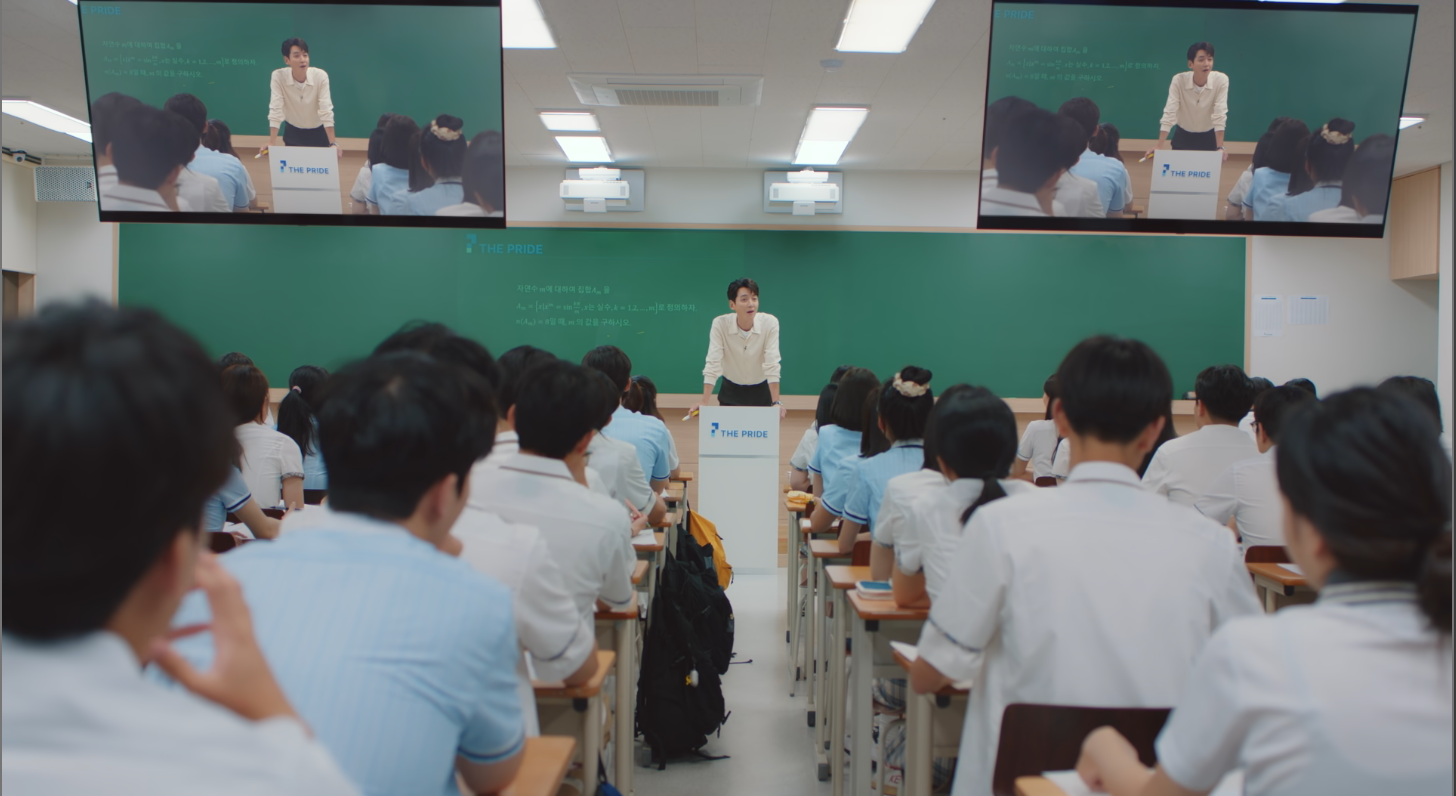
[Crash Course in Romance | Image Credit tvN/Netflix]
Have you ever heard the term "Pig Mom" (돼지 엄마: Dwaeji-eomma)? It might sound puzzling at first, but in Daechi-dong and Mok-dong, the hubs of South Korea’s private education industry, the term refers to highly influential parent leaders who know the college admissions process inside and out and use their success in helping their own children enter elite universities to guide networks of other mothers.
And what about Kim Joo-young, the admissions coordinator from the drama SKY Castle? From managing a student’s GPA and extracurricular activities to overseeing mental well-being, physical condition, and college applications, admissions coordinators who effectively take control of every aspect of a student’s academic life are real professionals working in Seoul’s Gangnam district.
If you’ve watched K-dramas like ‘Crash Course in Romance’(일타스캔들), ‘SKY Castle’(스카이 캐슬), ‘Green Mother’s Club’(그린 마더스 클럽) or ‘Mother and Mom’(라이딩 인생), you have likely encountered these legendary Pig Moms, coordinators, and anxious parents locked in fierce mind games and cutthroat competition just to give their children an edge. These series gained widespread popularity by vividly portraying South Korea’s high-stakes academic culture. While the former two realistically portrayed the suffocating college entrance war during high school, ‘Green Mother’s Club’ and ‘Mother and Mom’ shocked viewers by shedding light on an increasingly urgent social issue: early childhood private education in Daechi-dong, specifically the infamous "7-Year-Old Exam" (7세고시: 7-se Gosi).
The "7-Year-Old Exam" refers to the demanding entrance tests that five- and six-year-olds must take to gain admission to elite English kindergartens, schools for the gifted, and top elementary preparatory academies. The competition is intense enough to earn the label gosi (고시: traditionally reserved for state civil service exams). Children often work through thick workbooks and prepare for English interviews before they have even fully learned to read Korean. It is a bittersweet snapshot of South Korea's premature academic pressure, fueled by parental anxiety and hyper-competitive private schooling.
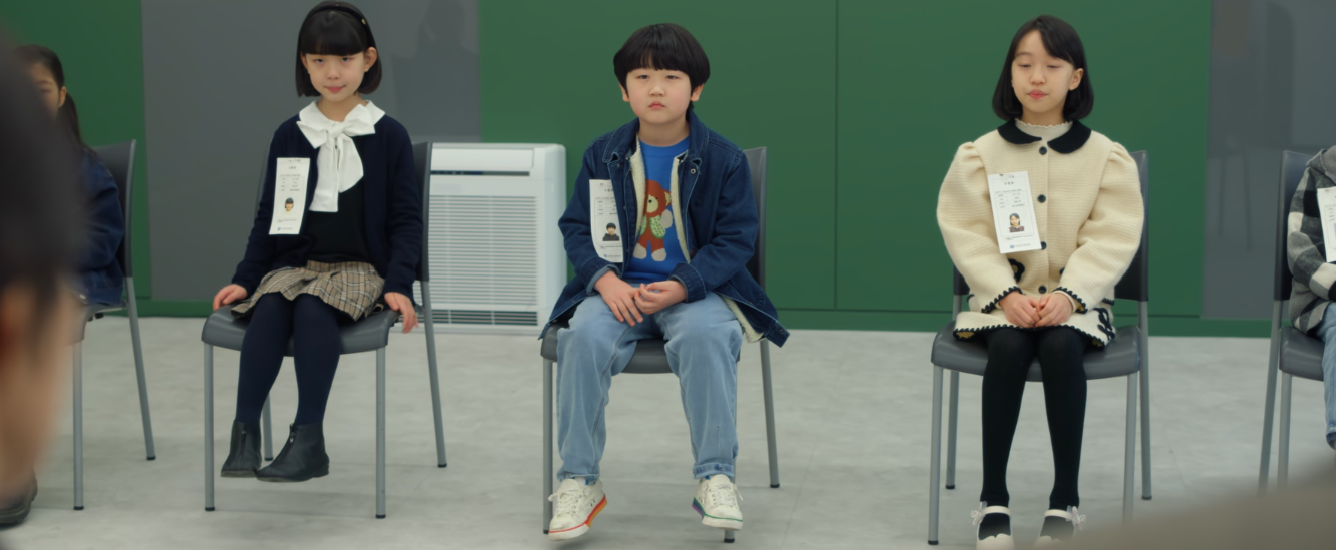
Photo Caption: Five- and six-year-old children are being interviewed for admission into a school for the gifted. The atmosphere feels remarkably like a corporate job interview for adults. [Green Mother’s Club | Image credit: JTBC/Netflix]
This overheated admissions landscape serves as a compelling central plot device in countless K-dramas. While high educational pressure is familiar across various social strata in Asian countries like China and India, to Western eyes in the US or Europe, this level of obsession—outside the ultra-wealthy top 1%—looks like an alien world.
What drove an entire society into such a breathless race? Let’s open the doors to today's fascinating deep dive: “The Entrance Exam War: Inside South Korea's Cutthroat College Admissions & Early Education”
Historical Roots and Rapid Economic Growth
South Korea’s fierce educational drive stems from deep historical traditions and modern economic survival. For over a millennium, standardized testing served as the primary pathway for social advancement. During the Goryeo and Joseon Dynasties, the civil service examination (과거: Gwageo) allowed individuals to achieve success based on diligence and merit rather than inherited lineage. Attaining worldly distinction (입신양명: Ipsin-yangmyeong) brought immense family prestige, making exam success the ultimate personal objective.
This cultural mindset was reinforced in the modern era. After the Korean War devastated the country's infrastructure and left the population in severe poverty, academic achievement provided the single viable route for upward mobility during South Korea's rapid economic development. Experiencing education as a direct mechanism for survival cemented a national commitment to academic achievement.
Limited Land, Dense Population, and Scarce Resources
In a small country marked by high population density and limited natural resources, societal notions of success narrowed to a select few coveted professions, including doctors, lawyers, traditional medicine practitioners, and pharmacists, instead of encouraging a wide array of talents and career paths. This phenomenon is depicted in ‘SKY Castle’, where families with deep medical lineages enlisted elite coordinators and invested lavishly to ensure their children entered the medical field as well. Additionally, the heavy concentration of top career opportunities and major infrastructure within the Seoul metropolitan region has intensified the fierce rivalry for admission to prestigious "In-Seoul" universities. With leading academies centered in famous educational hubs like Daechi-dong and Mok-dong, relocating to these districts has turned into an aspiration for many parents. Indeed, the series ‘Green Mothers' Club’ begins with a family relocating to a fictionalized Daechi-dong neighborhood, whereas’ Crash Course in Romance’ uses Daechi-dong directly as its setting. For highly sought-after academies and elite instructors, it is a common sight to see parents queueing up from early morning hours simply to secure enrollment.
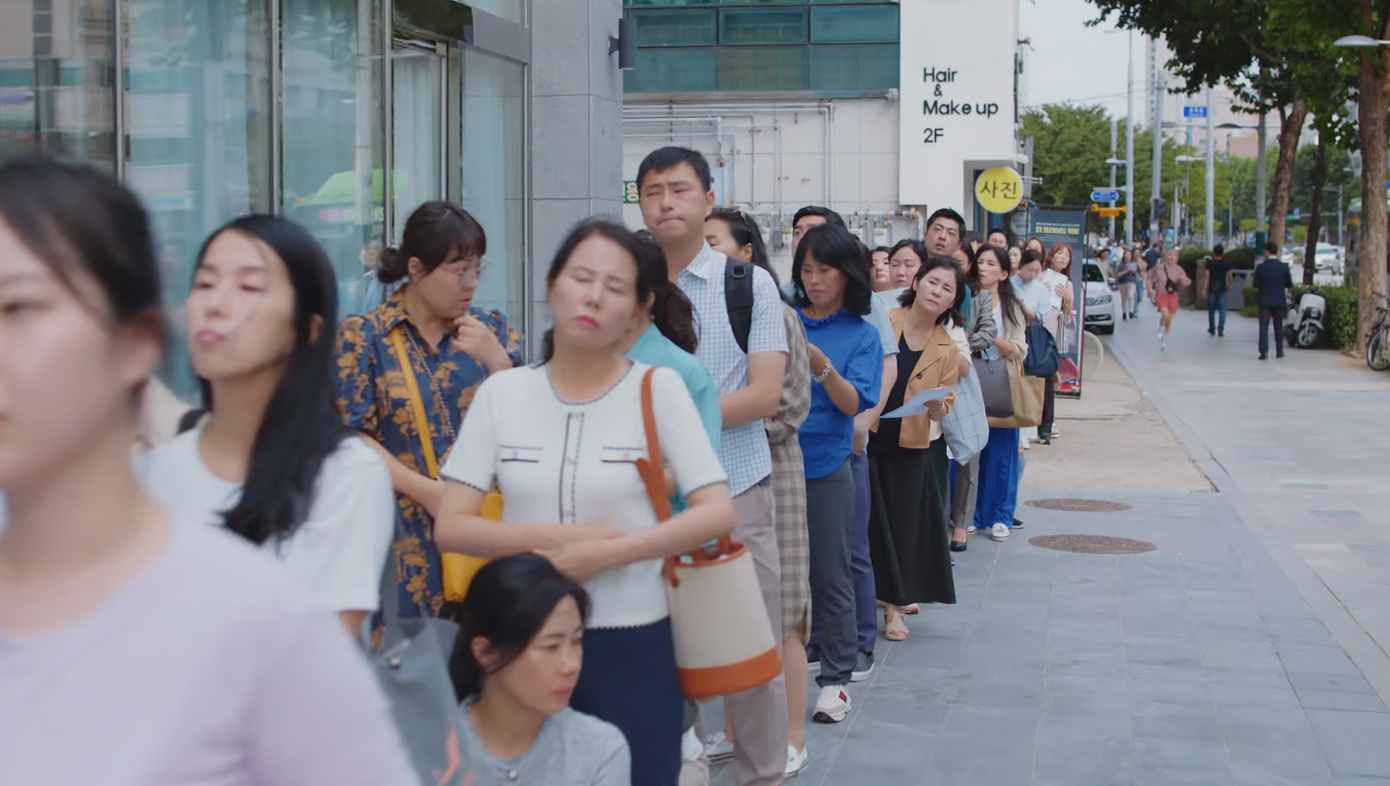
[Crash Course in Romance | Image credit: tvN/Netflix]
Rigid Social Mobility
A degree from an elite university functions as a golden ticket into large conglomerates, prestigious professions, top financial firms, and public institutions. The name of one's alma mater often dictates lifetime earning potential and promotion opportunities, while the invisible divide between conglomerates and small-to-medium enterprises—or regular and non-regular workers—remains vast.
The most daunting reality is the barrier to re-entry: stumbling once in this early race makes it brutally difficult to climb back up later. The private tutoring industry capitalizes on this vulnerability with fear-based marketing, hammering home the message that "falling behind means you're finished." Consequently, the age for aggressive prep schooling has shifted downward from high school and elementary straight into toddlerhood. In ‘Mother and Mom’ and ‘Green Mothers’ Club’, 1st graders and even kindergarteners are pushed into entrance exam prep just to qualify for elite elementary tracks, illustrating the modern mother's struggle to secure an unbroken chain of prestigious schools leading directly to Seoul National University.
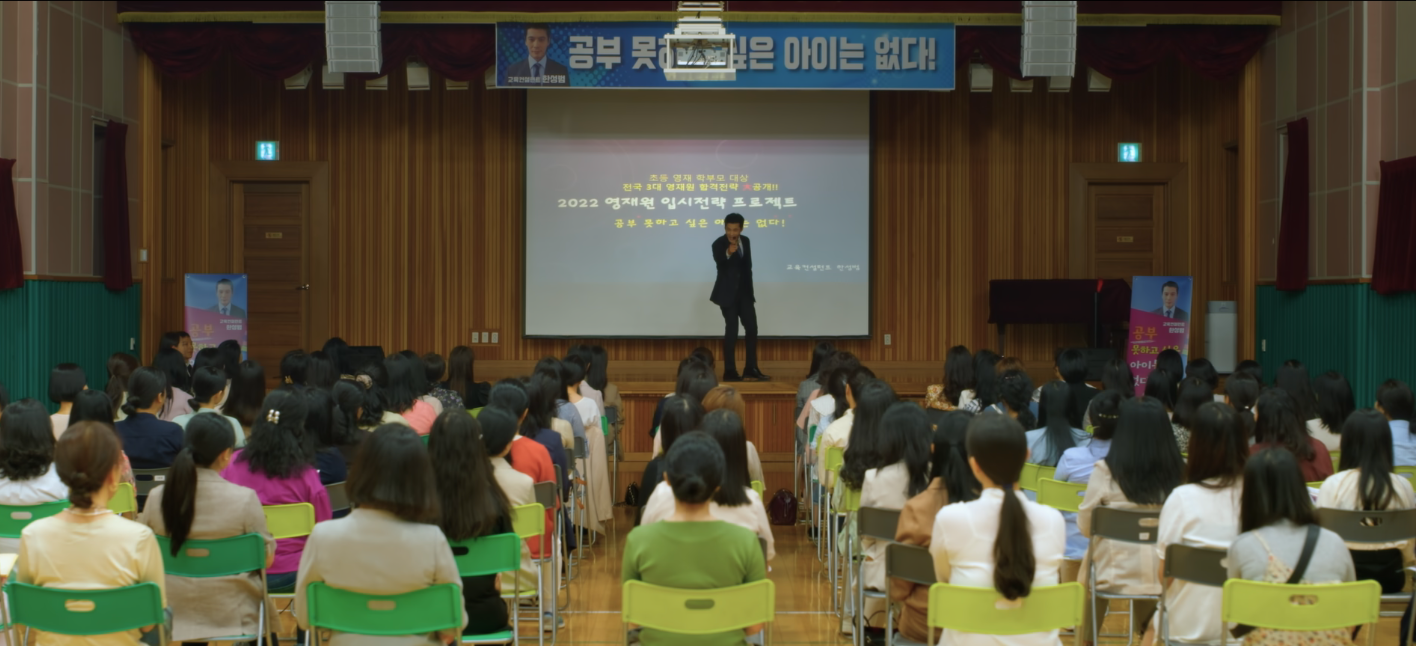
Photo Caption: The private tutoring industry relies aggressively on fear-based marketing, hammering home the message that "falling behind means you're finished." [Green Mother’s Club | Image credit: JTBC/Netflix]
The Dread of Falling Behind
Growing up inside relentless competition has instilled a profound aversion to lagging behind peers. For many parents, seeing their own children fall behind is unthinkable. This anxiety can morph into a distorted form of maternal devotion that deploys any means necessary to help a child stand out. In ‘SKY Castle’, when coordinator Kim Joo-young asks, "Ma'am, are you truly prepared to handle everything that comes with this?", Han Seo-jin answers with a chilling resolve, willing to do whatever it takes to send her daughter to Seoul National University College of Medicine.
Signs of Change and Hope
Yet, hope remains. Ironically, South Korea’s severe demographic decline and falling student population are forcing universities to adjust quotas and consolidate, which may lower entrance barriers and ease competitive pressure over time.
Additionally, alternative pathways are thriving. The rise of the platform economy, startups, and the global K-content industry proves that unique expertise and distinct creativity can earn massive recognition without a traditional prestige degree, slowly shifting public attitudes away from the belief that top college admissions are the only viable answer. As social consensus builds around the sentiment that "this pace exhausts both our children and our country," calls to dismantle this outdated admissions-centric paradigm are growing louder.
This earnest longing for change is vividly reflected in the K-dramas we love.
In the drama Mother and Mom, protagonist Jeong-eun ultimately chooses to escape the overwhelming pressure of hyper-competitive private education and the relentless routine of shuttling children between academies. The story concludes on a deeply moving and heartwarming note, highlighting her journey to rediscover authentic family warmth and the cherished joy of simple, everyday moments.
‘SKY Castle’, which sent shockwaves through viewers, also concluded with its characters letting go of their distorted desires and finally rediscovering the true meaning of family—only after hurtling toward the edge of total ruin.
Similarly, upbeat series like ‘Crash Course in Romance’ and ‘Green Mothers’ Club’ showcased inspiring mothers who managed to shed their toxic obsession with academic success and college placement. By stepping away from this intense pressure, they embraced vibrant, genuine, and far healthier lives.
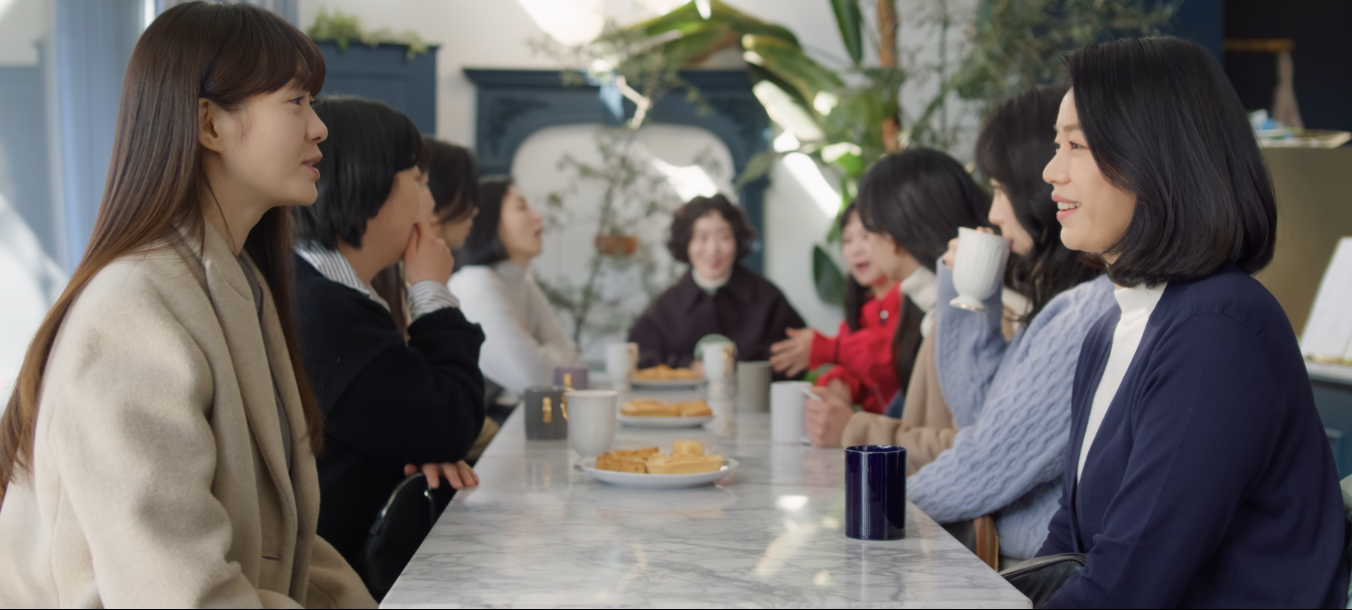
[Green Mother’s Club | Image credit: JTBC/Netflix]
Far beyond the fictional glow of the screen, I truly wish for a deeply moving, comforting resolution—much like those depicted in the dramas—to reach everyone facing the relentless, day-to-day realities of the college admissions journey.
What are your thoughts on South Korea's intense academic culture? Watching portrayals of "Pig Moms" and the "7-Year-Old Exam," did you think, "No way, could it really be that extreme?" Or did you find yourself nodding along with bittersweet recognition of your own school days?
Whether you have memories of pulling late nights in your own academic races or unique experiences with admissions cultures in other parts of the world, feel free to share your school stories and honest perspectives in the comments below!