
Reverse K-Wave: Famous Korean Food Brands That Actually Started in America
When you picture famous Korean food brands, do you automatically assume they all perfected their recipes in Seoul before crossing the Pacific to conquer American taste buds? Think again! As it turns out, several of the most iconic, mouthwatering K-food powerhouses actually got their start right here in the U.S.—proving that sometimes the best culinary journey begins right in our own backyard. There is one place that consistently appears on the itineraries of Koreans traveling to Los Angeles these days: BCD Tofu House (Bukchang Dong Soon Tofu). Founded and popularized locally by Korean Americans, the brand gained massive attention when it was "reverse-exported" back to South Korea. This success owes much to the rise of K-culture—sparked by K-pop and K-dramas—which naturally expanded into K-food. Let’s explore the appeal of these Korean food brands that have captivated palates across the U.S. and around the globe.
1. BCD Tofu House
Deeply familiar to the LA Korean community, BCD Tofu House is a flagship K-food enterprise in the United States. It took its first steps in 1996 by opening its initial location on Olympic Boulevard in LA's Koreatown. By introducing a customizable ordering system—allowing diners to select from five spice levels (starting from mild) and a variety of toppings such as beef, seafood, kimchi, and gopchang (beef intestines)—it quickly won over non-Korean diners as well. Its signature table setting—featuring a piping-hot, bubbling earthenware pot, freshly steamed stone-pot rice, a golden-grilled yellow croaker, and an assortment of neat side dishes—enjoyed explosive popularity.
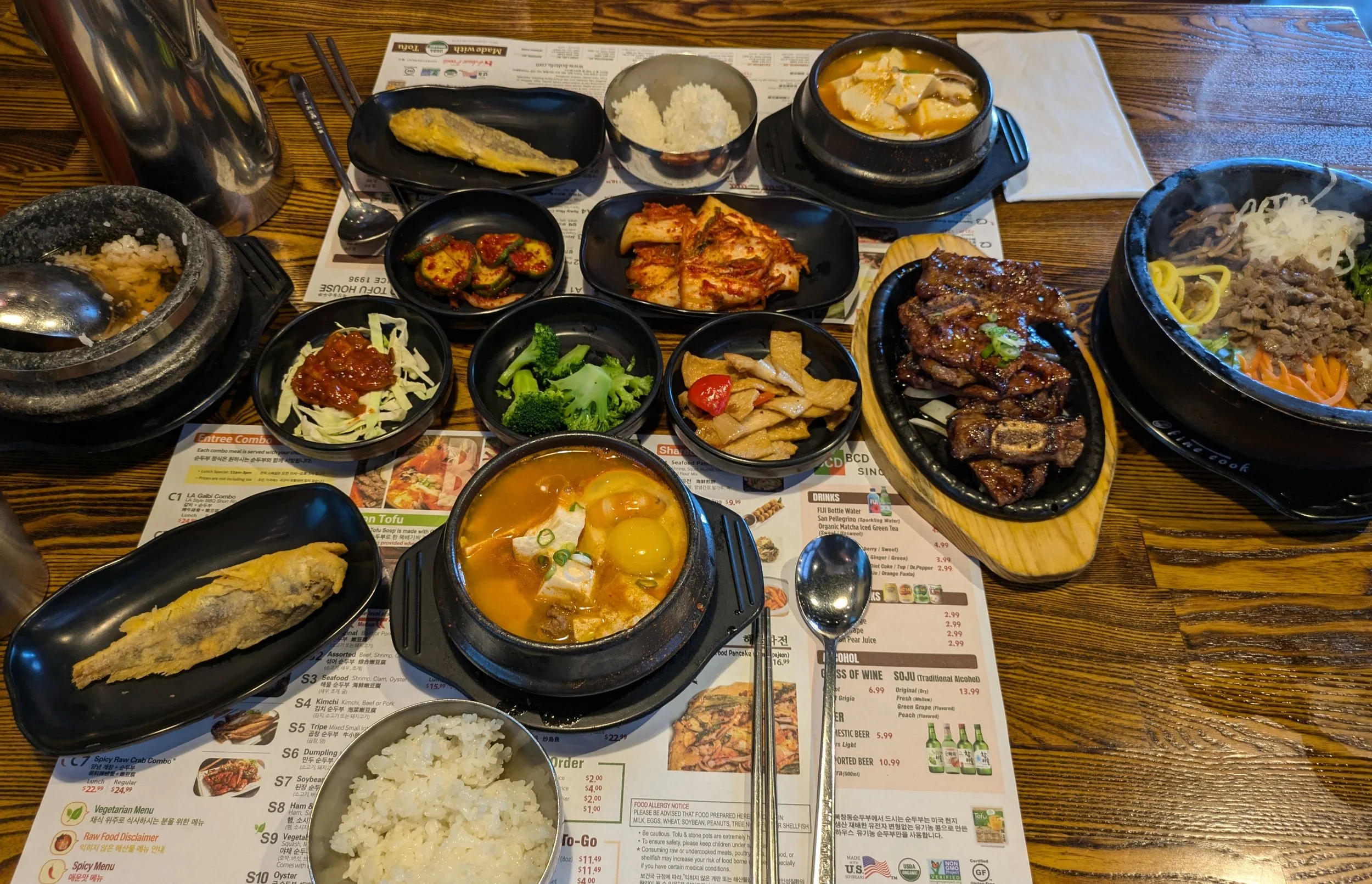
[Image credit: TripleJ7 LLC]
After relocating its flagship location to Wilshire Boulevard and transitioning to a 24/7 schedule, it established itself as the go-to late-night destination in Koreatown. Looking back on my college days, I still have vivid memories of pulling all-nighters at the library during finals, then rushing over to BCD with friends at dawn to satisfy our hunger with a hearty, comforting bowl of hot soup.
Riding this wave of popularity, BCD expanded rapidly across the United States, reaching states like Washington, New York, and Texas. In the early 2000s, it reverse-expanded into the South Korean market, including Seoul and Incheon International Airport, cementing its legacy as one of the most iconic success stories of a Korean food brand born in America and brought back home.
2. CUPBOP
Starting out as a single food truck in Salt Lake City, Utah, in 2013, CUPBOP has grown into a leading fast-casual Korean restaurant chain with dozens of locations across the American West and Midwest, as well as an expanding presence in Southeast Asia.
Inspired by the street-style cupbop of Noryangjin in Seoul, the brand reimagined Korean cuisine into an accessible fast-casual concept served in a single paper cup. Layered with rice, japchae (glass noodles), and shredded cabbage, topped with choices like bulgogi, spicy pork (jeyuk), or chicken, and paired with an intuitive 1-to-10 spice level system, it perfectly catered to mainstream local tastes.
Today, CUPBOP is aggressively opening new locations across key Western and Midwestern states, including Utah, Idaho, Colorado, Arizona, and Texas. Rather than pursuing a reverse expansion into South Korea, the brand has distinguished itself with a strategic focus on scaling its U.S. franchise network and capturing Southeast Asian markets like Indonesia.
Furthermore, its 2022 appearance on ABC's hit investment reality show Shark Tank resulted in a $1 million investment from billionaire investor Mark Cuban, further accelerating its momentum toward becoming a global franchise.
3. Kogi BBQ
Launched in November 2008 by Chef Roy Choi in Los Angeles, Kogi BBQ is the pioneer food truck brand that ignited the nationwide Korean taco craze by fusing galbi and bulgogi with Mexican tacos.
In its early days, Kogi used Twitter to broadcast real-time truck locations and routes, sparking an explosive response among tech-savvy young adults. Late at night near nightlife districts and college campuses, every stop drew massive crowds of hundreds waiting in line for hours. It was an astonishing phenomenon that transcended casual dining and evolved into a genuine cultural movement.
By interpreting authentic Korean seasonings and ingredients—such as galbi, bulgogi, and gochujang—in a fresh, stylish format, Kogi elevated street food into the realm of gourmet dining and ignited a boom in premium food trucks across the nation.
This true success story served as the inspiration for director Jon Favreau's 2014 film Chef. Today, expanding well beyond food trucks, Kogi operates brick-and-mortar bar locations and terminals at Los Angeles International Airport (LAX), firmly anchoring its place as an iconic staple of American K-food culture.
4. Ahgassi Gopchang
Ahgassi Gopchang, which sparked a gopchang craze in Southern California, is premier K-barbecue destination that originated in LA's Koreatown. It is a prime example of major dining brands that successfully adapted authentic Korean barbecue culture into a premium, systematic experience tailored for the local American market.
Featuring round drum-can tables and prominent metal overhead exhaust hoods, their spaces transform the retro vibe of traditional Korean neighborhood barbecue joints into a trendy, modern aesthetic.
Word of mouth quickly turned this spot into an essential stop for K-pop artists and global celebrities, solidifying their high-profile standing in the U.S. A visit to these restaurants reveals signatures and photos from widely recognized stars. Today, this brand is accelerating nationwide expansion through U.S. corporate operations, opening large-scale locations in prime commercial hubs and major shopping centers across key metropolitan areas, including New York and California.
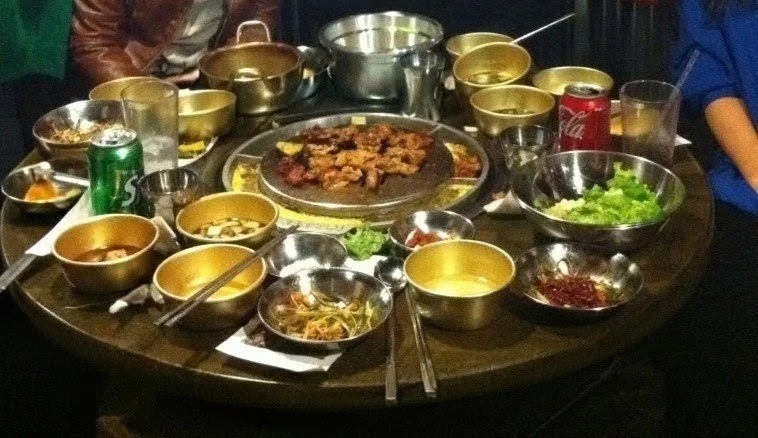
[Image credit: TripleJ7 LLC]
Final Thought:
From the humble beginnings of a food truck in Salt Lake City to the bustling nightlife of Los Angeles, these American-born Korean food brands have truly redefined global culinary trends. Whether you're craving the comforting warmth of authentic BCD Tofu House soup, the innovative fusion flavors of a Kogi BBQ taco, or the fast-casual convenience of a Cupbop meal, these success stories highlight the dynamic evolution of Korean cuisine in the U.S. As these iconic brands continue to expand their reach both domestically and internationally, they stand as a testament to the thriving intersection of Korean culture and American culinary creativity. The next time you search for the best Korean food near you, remember: some of the most influential K-food powerhouses started their delicious journey right here in the United States.